
Is Hole Saw Cutter Practical for Workshop Projects?
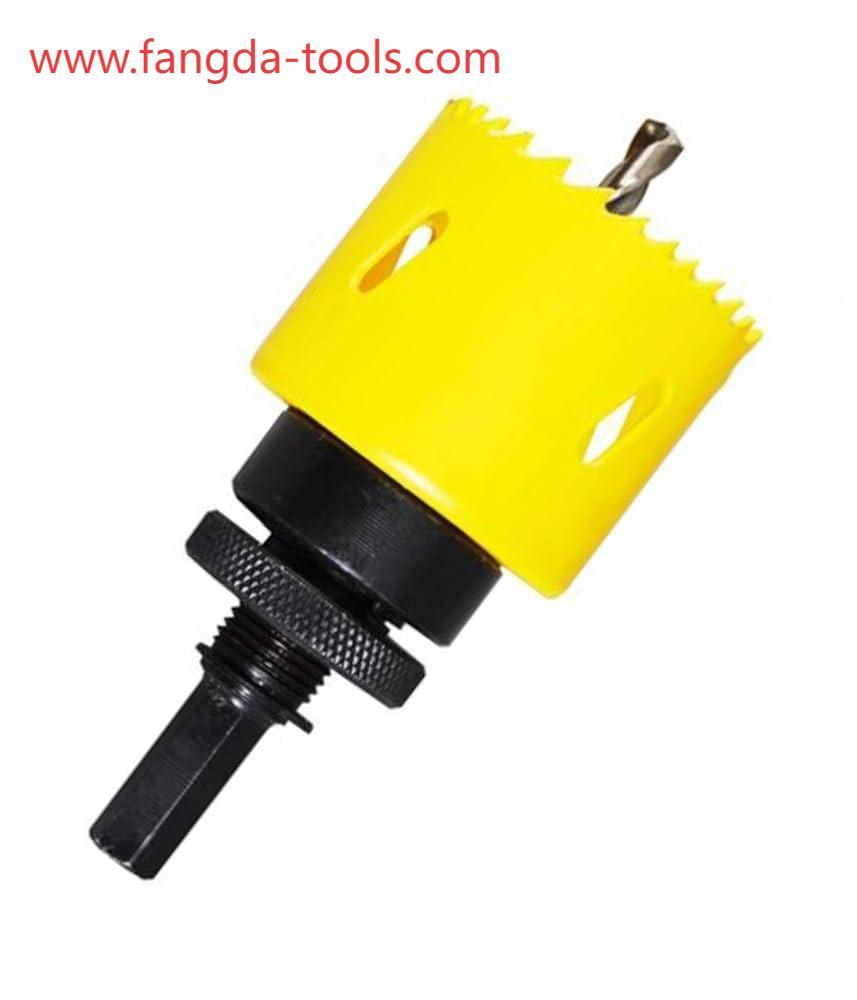
In many construction, installation, and maintenance settings, creating clean and controlled openings is a routine requirement. The Fangda Hole Saw Cutter provided by fangda-tools reflects a functional approach to this task, focusing on balance, usability, and predictable behavior during operation. It is intended for users who value orderly processes and steady outcomes rather than unnecessary complexity in their tooling choices.
Circular cutting presents its own set of challenges. Unlike straight cuts, opening creation requires stability from the first point of contact through completion. A well-considered cutting structure helps guide the tool smoothly into the material, allowing the operator to maintain alignment and depth with confidence. This controlled engagement supports calmer operation and reduces interruptions caused by uneven progress.
Material variety is a constant factor in real-world work environments. Wood panels, plastic surfaces, and light metal sheets all respond differently during cutting. A cutting solution that adapts well to these variations helps users manage transitions without changing their approach entirely. Consistent performance across materials allows planning to remain straightforward and reduces uncertainty during task execution.
Workflow efficiency is often influenced by how smoothly individual steps connect. When openings are cut cleanly, follow-up actions such as fitting, mounting, or finishing become simpler. This continuity supports better time management and helps teams maintain momentum across a project. Reliable cutting behavior also reduces the likelihood of rework, which can disrupt schedules and resource planning.
Operator control is another important consideration. Tools that respond predictably to applied pressure allow users to focus on positioning and safety rather than constant correction. Smooth operation supports confidence, particularly in repetitive tasks where consistency matters. Over time, familiarity with such control can improve overall working rhythm and coordination.
Versatility contributes to practical value. A cutting tool that integrates easily with common equipment and setups can support a range of applications without extensive adjustments. This adaptability is useful in workshops where space, inventory, or time is limited. Standardizing around tools that perform reliably in multiple contexts simplifies preparation and supports flexible scheduling.
Maintenance and storage also play a role in long-term usability. Straightforward construction allows for easier inspection and routine care. When upkeep processes are simple and predictable, tools are more likely to remain in serviceable condition. This aligns with workplaces that emphasize organized environments and responsible equipment management.
Beyond the tool itself, clear access to product information supports informed decision-making. Understanding application scope and usage considerations helps users select tools that align with real needs rather than assumptions. Transparency in presentation encourages confidence and supports longer-term planning.
As everyday work continues to demand precision without complication, choosing tools that quietly support consistency can make a noticeable difference. If you would like to see a broader view of practical cutting solutions and how they fit into real tasks, take a moment to visit https://www.fangda-tools.com/ and explore ideas that may shape your next project.
 English
 Arabic
 French
 Spanish
 Portuguese
 Deutsch
 Turkish
 Dutch
Dutch
 Italiano
 Russian
 Romaian
 Portuguese (Brazil)
 Greek
Greek