
Is China Square Axial Fan Practical For Large Workshops
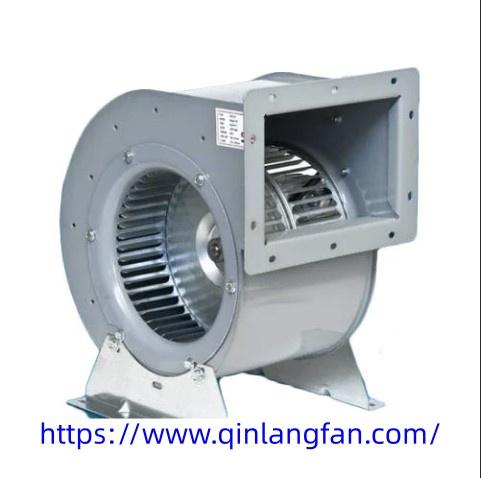
China Square Axial Fan appears frequently in global sourcing inquiries because ventilation remains essential for workshops, warehouses, agricultural buildings, and light manufacturing facilities. Behind that phrase lies a practical expectation: dependable air movement, adaptable installation, and steady performance under varied environmental conditions. When rectangular housing combines with axial blade structure, airflow travels in a direct path, supporting efficient circulation across large interior areas. Buyers exploring ventilation upgrades often focus on structural durability, noise control, and energy awareness rather than decorative appearance.
Air exchange influences comfort, equipment longevity, and operational continuity. Enclosed production spaces generate heat accumulation, humidity imbalance, and airborne particles. A square framed axial unit addresses these concerns through straightforward mounting, allowing integration into walls or panels without complex structural modification. Direct drive configuration helps maintain mechanical simplicity, reducing transmission components and supporting stable rotation behavior. Balanced impeller design encourages consistent airflow distribution across open floor layouts.
Material selection determines resilience in demanding surroundings. Galvanized steel casings resist corrosion caused by moisture exposure. Reinforced blades crafted through careful shaping techniques contribute to stable aerodynamic behavior. Protective coatings shield internal surfaces from environmental influence. Attention to assembly alignment enhances vibration control, which supports quieter operation during extended use. Facility managers value equipment that maintains steady function without excessive adjustment.
Energy efficiency becomes increasingly relevant within industrial planning. Optimized blade angle helps move substantial air volume while avoiding unnecessary power consumption. Motor compatibility with varied voltage environments provides flexibility for international applications. Thermal protection elements contribute to operational safety by managing temperature fluctuation within internal components. These considerations influence long term cost awareness without relying on exaggerated claims.
Installation versatility enhances project adaptability. Wall mounting frames, shutter integration, and protective mesh options enable configuration according to building requirements. Maintenance accessibility supports straightforward cleaning procedures, particularly in environments where dust accumulation may affect performance. Removable panels allow inspection without dismantling surrounding structures. Such thoughtful design reduces disruption during routine servicing.
Acoustic behavior also shapes purchasing decisions. Balanced rotation combined with structural reinforcement assists in minimizing operational noise. In facilities where workforce comfort matters, moderated sound output supports improved working conditions. Ventilation equipment that maintains airflow while respecting ambient sound expectations contributes to healthier indoor environments.
Customization options extend application scope. Different dimensional formats accommodate varying wall openings. Blade materials may be selected according to environmental exposure conditions. Finishing treatments align with regional climate demands. This flexibility allows contractors to match technical requirements with building specifications rather than altering architectural plans.
Supply chain coordination influences procurement strategy. Reliable production scheduling assists distributors in meeting installation timelines. Protective packaging safeguards structural integrity during transportation. Clear documentation facilitates commissioning and ensures alignment between technical drawings and delivered equipment. Transparent communication strengthens cooperation between manufacturer and purchaser.
Brand representation plays a subtle yet meaningful role in decision making. Qinlang appears within this context as a name associated with practical engineering focus and steady support. Instead of dramatic marketing language, emphasis remains on clear product description and attentive consultation. Buyers often appreciate realistic communication when planning ventilation improvements.
Environmental awareness encourages thoughtful selection of mechanical systems. Effective airflow can help regulate humidity levels, contributing to material preservation inside storage facilities. Durable construction reduces replacement frequency, indirectly lowering resource consumption. Responsible engineering aligns with contemporary expectations for sustainable development without overstated promises.
Market demand for ventilation solutions continues to expand across diverse sectors. Agricultural buildings require air circulation to maintain suitable interior conditions. Manufacturing halls benefit from controlled airflow to dissipate heat generated by machinery. Commercial storage areas rely on steady ventilation to protect goods. A well designed axial unit with square housing offers adaptability across these varied contexts.
Those evaluating reliable airflow equipment may explore structural features, configuration possibilities, and application guidance by visiting the official website at https://www.qinlangfan.com/
 Romaian
 English
 Arabic
 French
 Spanish
 Portuguese
 Deutsch
 Turkish
 Dutch
Dutch
 Italiano
 Russian
 Portuguese (Brazil)
 Greek
Greek